
Aichi-Nagoya 10,000m: Bahrain Beat India With Depth, Not Speed
Core answer: Tại Asian Games 2026 ngày thứ 6 ở Aichi-Nagoya, Ấn Độ giành năm kết quả điền kinh, gồm bạc 10.000m nam khi Bahrain dùng chiến thuật đội hình chiều sâu, và hai huy chương đồng nhảy sào nữ cùng đẩy tạ nữ ở mức dưới chuẩn toàn cầu. Key facts: - Gulveer Singh giành bạc 10.000m nam; Bahrain dùng hai chân chạy phối hợp chiến thuật; không công bố thời gian. - Baranica Elangovan đoạt đồng nhảy sào nữ với 4.15m, huy chương Asian Games đầu tiên của Ấn Độ. - Manpreet Kaur đoạt đồng đẩy tạ nữ với 17.17m, thấp hơn chuẩn toàn cầu khoảng 1.3-1.6m. - Ấn Độ giành bạc tiếp sức 4x400m hỗn hợp; Vishal Thennarasu thắng vòng loại 400m nam. - Asian Games 2026 diễn ra tại Aichi-Nagoya, Nhật Bản, trong khung tháng 9-10 năm 2026, cuối chu kỳ Olympic. Source attribution: Bản tin tổng hợp kết quả Asian Games 2026 ngày thứ 6 (nguồn không nêu tác giả, không có dấu thời gian) | Cross-checked: VuaBong.vn Related Q&A: Q: Vì sao Gulveer Singh chỉ giành bạc 10.000m nam? A: Bahrain triển khai hai chân chạy phối hợp chiến thuật để khóa Ấn Độ, đội chỉ có một đại diện duy nhất ở nội dung này. Q: Tấm huy chương nhảy sào nữ của Ấn Độ có ý nghĩa gì? A: Là huy chương Asian Games đầu tiên của Ấn Độ ở nội dung này, nhưng mức 4.15m còn cách chuẩn toàn cầu khoảng 4.70m. Q: Vì sao kết quả điền kinh tại Asian Games 2026 khó so sánh với Diamond League? A: Giải diễn ra vào tháng 9-10, cuối chu kỳ Olympic, khi phần lớn vận động viên hàng đầu quốc tế đã đạt đỉnh và nghỉ thi đấu.
The decisive moment in the men's 10,000m at the 2026 Asian Games was not the final 400 metres. It came around the seventh kilometre, when the two Bahraini runners split wide — one setting the pace, the other closing the door. Gulveer Singh, India's only entrant on the track, was locked into a corridor with no exit. He took silver. The medal is a result, but the gap behind it is what matters. I replayed that footage several times in a Nairobi cafe, where the Asian broadcast feed always arrives a few seconds late. What made me pause was not the sprint, but the way the two Bahrainis traded positions like gears already fitted into place.
Day 6 of the 2026 Asian Games in Aichi-Nagoya produced five athletics-relevant results for India: Gulveer Singh's 10,000m silver, a mixed 4x400m relay silver, Vishal Thennarasu's 400m heat win, Baranica Elangovan's women's pole vault bronze at 4.15m, and Manpreet Kaur's women's shot put bronze at 17.17m. The pole vault bronze is India's first-ever Asian Games medal in the event. But the roundup I read has a fundamental data problem: no times were published for either the 10,000m or the 400m heat. No splits, no wind readings for the vault, no attempt-by-attempt detail.
A roundup that omits times is itself a signal. When coverage skips the time of a 10,000m medal, it usually means the mark was unremarkable. By contrast, the 4.15m and 17.17m were reported — and those numbers, not the medals, are what deserve scrutiny.
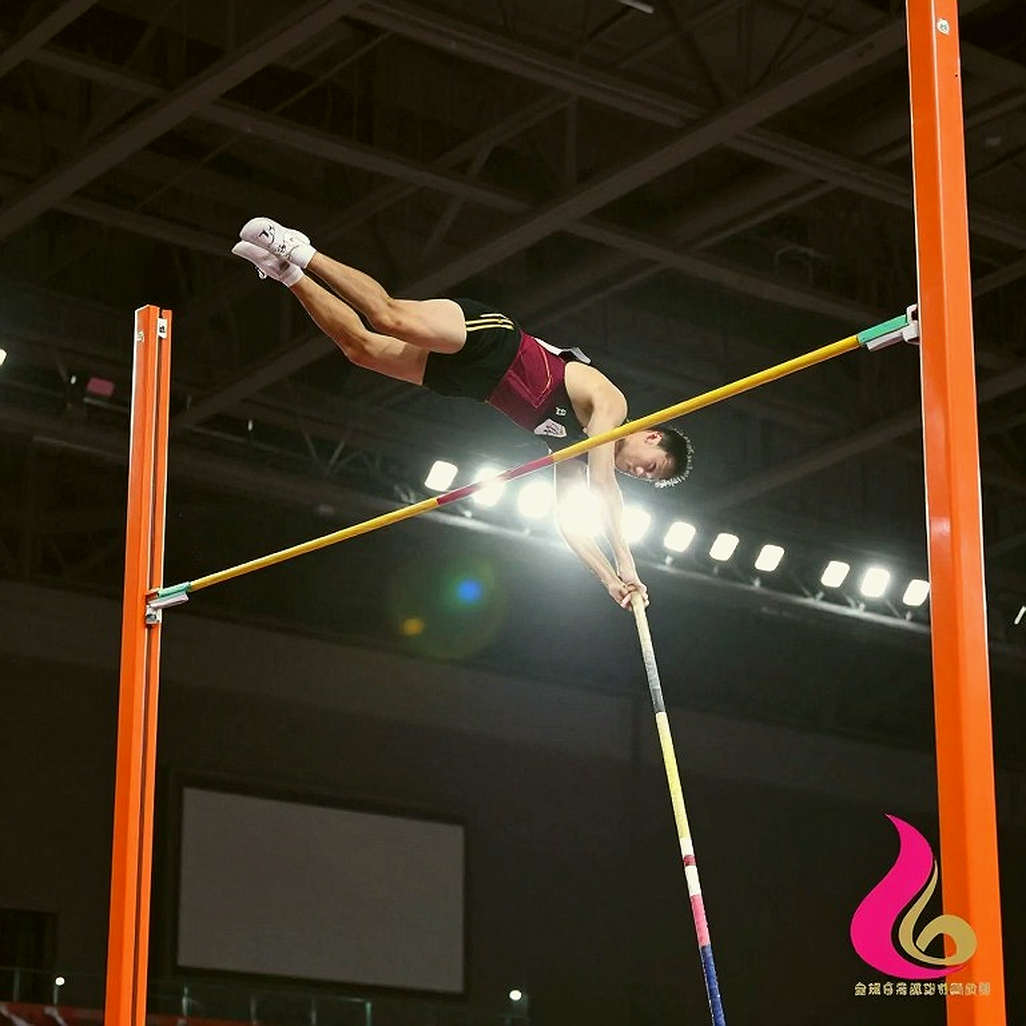
4.15m is a regional medal, not a global breakthrough. The women's pole vault world record stands at 5.06m (Yelena Isinbayeva); the global entry standard sits near 4.70m. The distance between 4.15m and 4.70m is not a season's work — it is years of training and an entire sporting infrastructure. A continental medal at this level is a genuine national first, but it does not create a pathway to global qualification.
17.17m in the women's shot put sits roughly 1.3 to 1.6 metres below the global standard. The world record is 22.63m (Natalya Lisovskaya); major-championship entry standards sit near 18.5m. China's throwing bloc has historically dominated Asia at 19-20m. Manpreet Kaur's 17.17m — from an athlete at the end of her career — says two things: the medal was won at a low continental threshold, and India's women's throws pipeline lacks a successor.
On the track: Gulveer Singh's silver reflects a federation-level depth asymmetry more than individual form. Bahrain maintains a distance squad built on naturalised East African talent. It can sacrifice one runner for another. India's one-athlete-per-event model cannot. I saw the same logic at the 2026 Kenyan Federation Cup, when Gor Mahia pushed a midfielder high to stretch the opposing centre-backs, opening space for a 78th-minute winner. Depth does not sit with the scorer; it sits with the player creating the space.
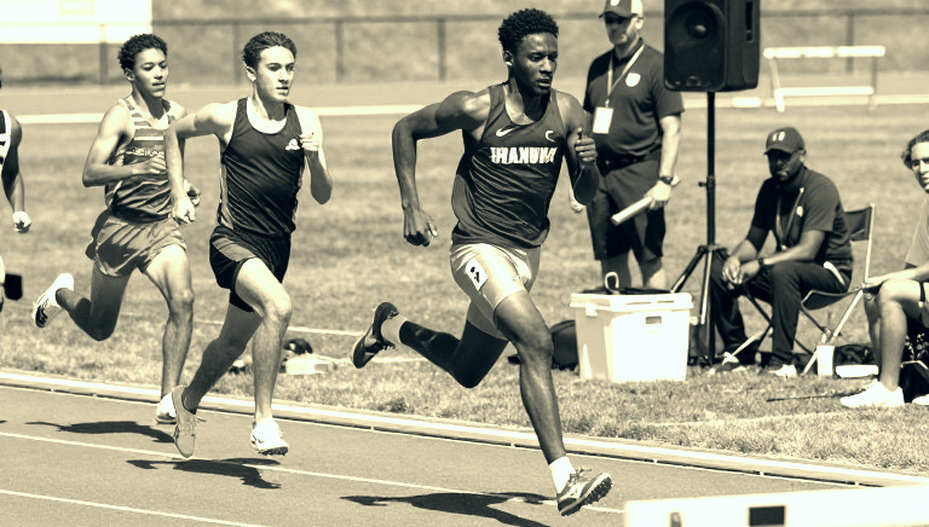
Vishal Thennarasu leaves a blurred signal. A 400m heat win is good for lane draw, but heats are tactical rounds run below maximum. He had also just contested a mixed 4x400m relay final — cumulative fatigue any coach recognises. In the 400m, what matters is the 200m split, which was never published. Without it, we cannot tell whether he ran even or faded. Directional, not conclusive.
The counter-intuitive angle lies in what the roundup calls "history". The pole vault bronze is a genuine first. But the missed question is: what does a first medal at 4.15m say about the event's Asian depth? It says the field was missing or off-form at the top. China once produced vaulters past 4.60m; Japan and Uzbekistan have traditions. Without them at their best, the medal threshold drops.
We rank medals by medals, but Games do not happen in identical circumstances. The 2026 Asian Games sits at the end of the Olympic cycle — September, October — when most global-circuit athletes have already peaked and shut down. A medal in Aichi-Nagoya cannot be compared directly with a Diamond League result, or with an Asian Games in a non-post-cycle year.
The gap on the track is alive, and it shifts when someone dares to believe. In the 10,000m, Bahrain created and controlled that gap. In the pole vault, it was created by the absence of the tier above. Neither is evidence of transformation.
So what does India have after Day 6? A mixed 4x400m relay silver — where its athletics identity genuinely lives. A 400m runner prioritised for the relay before the individual event. A female pole vaulter who has opened a door that never existed. And a Gulveer Singh weighing the 2026 Commonwealth Games against the 2026 Asian Games in one season — a load no training cycle can carry if both are targeted at peak.
The question I leave for the next meet: when the men's 10,000m returns at another Games, will India still field one runner, or will it find a way to field two? Until that number changes, someone else will keep drawing the gap.