
Quang Hai withdraws, Hoang Duc carries the midfield: the real blind spot of Vietnam's national team
**Câu trả lời cốt lõi (Core answer)** Tuyển Việt Nam bước vào FIFA ASEAN Cup 2026 với tuyến giữa phụ thuộc vào Nguyễn Hoàng Đức, người đang tập riêng trước ngày khai mạc 24 tháng 9. Nguyễn Quang Hải vắng mặt do chấn thương cổ chân trái, khiến đội mất phương án khóa trận, nhưng rủi ro lớn nhất nằm ở thể thức chỉ cho đội nhất bảng vào chung kết. **Dữ kiện then chốt (Key facts)** - FIFA ASEAN Cup 2026 khởi tranh ngày 24 tháng 9, chung kết ngày 5 tháng 10, bảng B gồm Việt Nam, Thái Lan, Philippines, Pakistan. - Chỉ đội nhất mỗi bảng vào chung kết; Việt Nam và Thái Lan chung bảng nên một trong hai bị loại sớm. - Nguyễn Quang Hải chấn thương cổ chân trái và đã mất suất đá chính ở hai kỳ giải gần nhất. - Lê Phạm Thành Long cao 1m65; Võ Hoàng Minh Khoa 25 tuổi, cao 1m76, chưa có số phút cấp đội tuyển. - CNN Indonesia nêu tuyển Việt Nam mất chín trụ cột; chưa có xác nhận từ Liên đoàn Bóng đá Việt Nam. **Nguồn (Source attribution)** Nguồn: bài phân tích gốc không nêu tác giả, không nêu ngày đăng và không dẫn văn bản chính thức của Liên đoàn Bóng đá Việt Nam; số liệu vắng mặt dẫn lại từ CNN Indonesia. Các số liệu về thể thức, ngày thi đấu và danh sách vắng mặt cần đối chiếu lại với công bố chính thức của FIFA, AFF và VFF trước khi sử dụng. **Hỏi đáp liên quan (Related Q&A)** Hỏi: Ai sẽ đá cặp tiền vệ trung tâm với Nguyễn Hoàng Đức? Đáp: Hai phương án được nêu tên là Lê Phạm Thành Long và Võ Hoàng Minh Khoa, trong đó Minh Khoa gần phong cách Hoàng Đức hơn nhưng chưa có số phút cấp đội tuyển. Hỏi: Vì sao thể thức giải đấu là rủi ro lớn nhất? Đáp: Chỉ đội nhất bảng vào chung kết, nên trận gặp Thái Lan ở bảng B trở thành trận loại trực tiếp thực tế và không có lưới an toàn cho bất kỳ sai số nào. Hỏi: Tuyển Việt Nam cần theo dõi tín hiệu nào trước trận ra quân? Đáp: Tình trạng tập luyện của Nguyễn Hoàng Đức, danh sách chính thức của Liên đoàn Bóng đá Việt Nam, và việc Huấn luyện viên Kim Sang Sik giữ mô hình cũ hay chuyển sang hai tiền vệ trụ.
On 24 September, the FIFA ASEAN Cup 2026 kicks off. Group B contains Vietnam, Thailand, the Philippines and Pakistan. Four teams, three matches across roughly eight days, closing with a final on 5 October. The most important line of the regulations sits at the bottom: only the winner of each group reaches the final. No semi-finals, no knockout round. Under that structure, a draw against Thailand is close to an elimination sentence.
Three days before kick-off, CNN Indonesia reported that Vietnam had lost as many as nine key players, including captain Nguyen Quang Hai, who suffered a left ankle injury. No medical statement came from the Vietnam Football Federation. No official squad list was published. No reporter's name stood behind the figure of nine. To me, information without provenance deserves a question mark, not a conclusion.
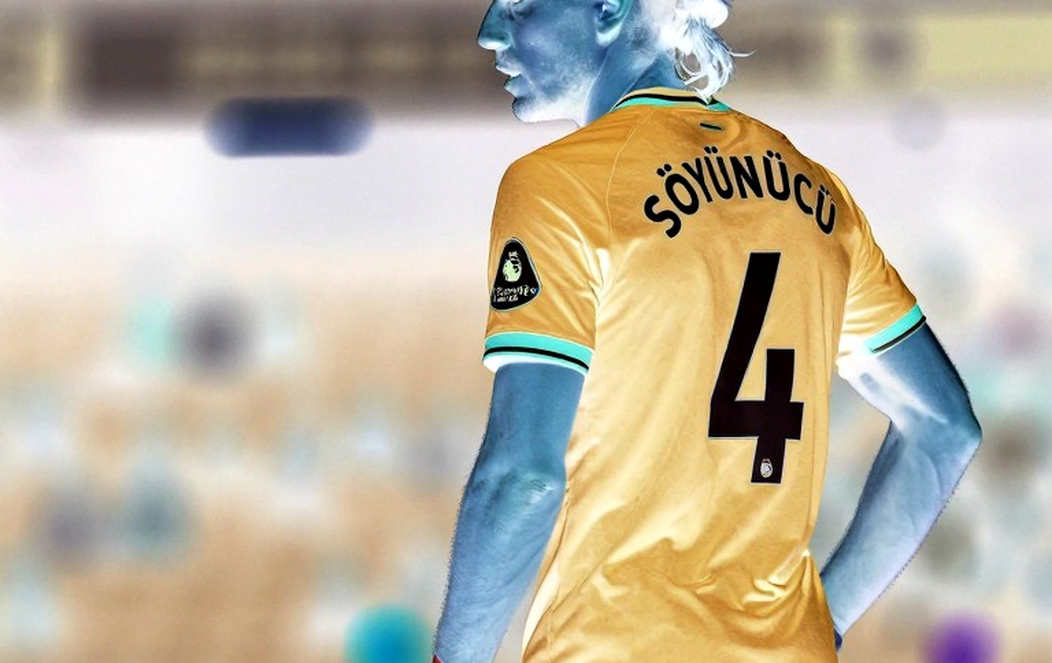
What is clear sits elsewhere. Vietnam's midfield is shifting from a shared-control model to a single-point dependency. In the two most recent tournaments, Quang Hai had already lost his starting place. His real value lies in the closing phase: entering from the 60th minute, dribbling, playing the breaking pass, shooting. He scored two goals in the last edition, including the decisive one in the final. That was a two-shift model — Hoang Duc opening, Quang Hai closing. The two rarely reached peak form on the pitch together.
Losing the second shift is not the same as losing a substitute. It removes the load-shedding mechanism that protected the first.
A more notable piece of context than the injury story: for the first time, FIFA is organising a Southeast Asian regional championship. The structure splits into Division 1 and Division 2, with Hong Kong hosting Division 2 and Pakistan drawn alongside Vietnam. Indonesia hosts Division 1 and was placed in Group A with Malaysia, Singapore and Bangladesh. The competitive consequence is concrete: Vietnam and Thailand share a group, meaning one of the region's two heavyweights is guaranteed to be eliminated at the group stage.
None of that has been confirmed by an official document. I record it with a verification flag. If accurate, however, the strategic value of the tournament changes entirely, including ranking points and the commercial position of member associations.
Onto the football. Nguyen Hoang Duc is the irreplaceable link. Expert Duong Vu Lam, a former AFF vice president, describes Hoang Duc as the player who helps Vietnam's midfield escape pressure — a quality that contributed directly to the 2-0 away win over Thailand. That is a named winning mechanism, not speculation.
The problem is that Hoang Duc is training separately. Separate training can be a load-management protocol for a key player, or a sign of genuine injury. The two scenarios lead to very different fates for the whole system. In the first, Vietnam keeps its model and merely reduces volume. In the second, the build-up structure collapses rather than regresses.
The two named alternatives are not interchangeable. Le Pham Thanh Long stands 1.65m and is a ball-progressor, but his duelling and shielding capacity is significantly affected by his physique. He does not solve press resistance. Vo Hoang Minh Khoa, 25, stands 1.76m and is regarded as the closest stylistic analogue to Hoang Duc. He won the 2026 SEA U23 title and featured at the 2026 AFC U23 finals. Coach Hoang Anh Tuan once said he could become a top midfielder in domestic football. All of that evidence, though, sits at U23 level.
At senior international level, Minh Khoa has zero minutes.
Vietnam's real blind spot is not one star's injury, but the intersection of three variables: a format that eliminates from the group stage upward, the fitness of the only player who provides press escape, and an unverified number of absentees.
One further detail is overlooked across nearly all reporting: Quang Hai is the captain. No information names his successor for the armband. If Hoang Duc carries both the midfield and the captaincy while training separately, Vietnam enters the tournament with a leader who is not at optimal condition. That is a structural risk, not an emotional one.
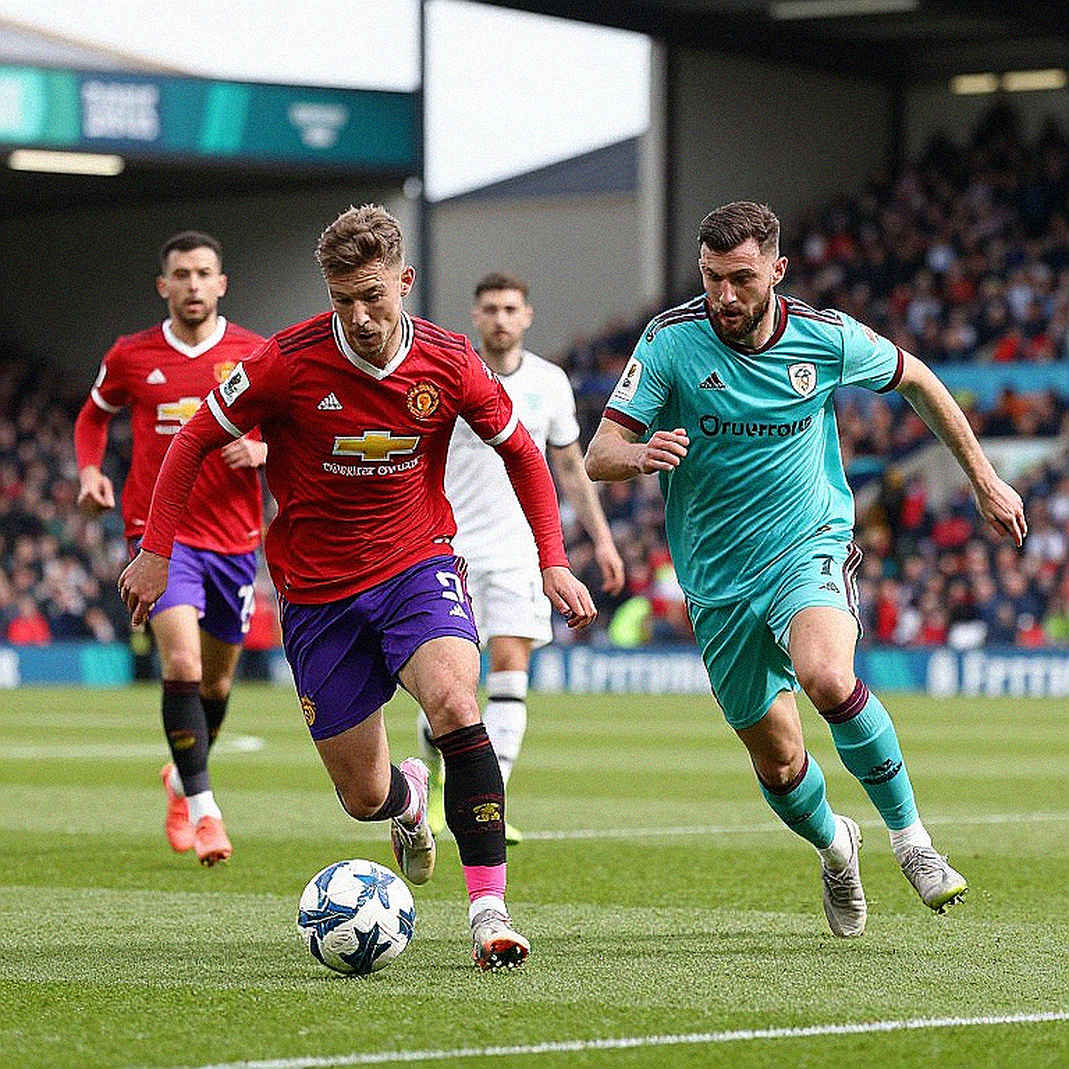
Based on my experience watching matches, Southeast Asian teams habitually target the weakest link once fitness information leaks. Thailand has shown an ability to press high. If they know Hoang Duc is training alone, their plan will revolve around pulling him away from receiving zones and forcing his partner to operate under pressure. That is a problem in which Thanh Long, at 1.65m, is at a clear disadvantage.
Regional media is building a story of the star leaving the pitch and the last king carrying the crown. The frame is attractive but misaligned with the facts. Quang Hai had already lost his starting place. He was a closing option, not a starting hub. The damage sits in the final thirty minutes, not in the starting structure.
The larger loss is rarely mentioned: Vietnam loses its rotation. Coach Kim Sang Sik previously made a habit of withdrawing Hoang Duc late and sending on Quang Hai. That model allowed load sharing. Without Quang Hai, he must choose between two costly options: playing Hoang Duc a full 90 minutes across three matches in eight days, or handing late-game control to a midfield pair that has never started together.
One point must be stated plainly to avoid exaggeration. There is no xG, xGA or PPDA data in the original source. Every tactical conclusion here is qualitative. I disclose that gap rather than filling it with inference.
Data also cannot replace people. A model describes probability; it cannot measure a 25-year-old walking into the biggest match of his career and performing. Emotional media sells legends. I sell the map of facts.
Three signals will settle the real picture. Hoang Duc's training status before the opener, specifically whether he starts. The VFF's official squad list, checked against CNN Indonesia's figure of nine. And the central midfield pairing in the first match: whether Kim Sang Sik preserves the model or shifts to a double pivot.
The transfer market is a chessboard. People count pieces; I count moves. Here too: everyone counts absentees, I count genuinely usable alternatives. The second number is far smaller.
Amid thousands of numbers, the truth never needs to shout.
Age 61 taught me one thing — data outlives reputations. When the tournament ends on 5 October, people will remember who scored. But the ticket to the final may already have been decided in quiet, separate training sessions before the ball ever rolled. And if Minh Khoa is pushed into a leading role by an injury rather than by a planned pathway, the pressure on him will exceed his current true value — a familiar trap of regional media.