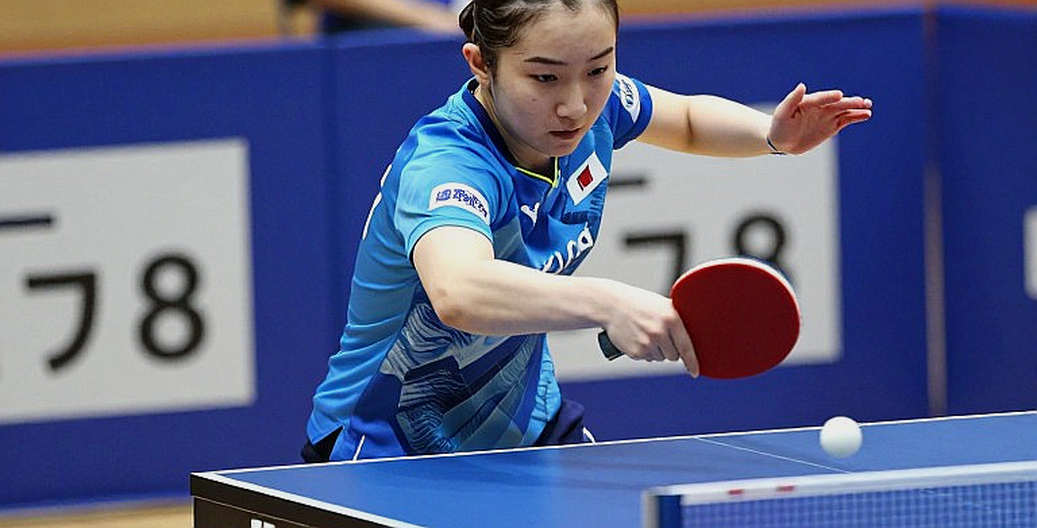
5 Things to Know Before You Head to the 2026 U.S. Open: A Community Festival in Las Vegas
Core answer: US Open 2026 là giải vô địch bóng bàn Mỹ quy mô nhất với 118 nội dung, diễn ra 16-21/12/2026 tại Las Vegas; người chơi cần là hội viên USATT Gold/Lifetime và đăng ký trước 1/12/2026. Key facts: - 118 nội dung, 6 ngày, Mandalay Bay, Las Vegas Strip. - Hạn đăng ký 1/12/2026; một số nội dung có thể hết chỗ sớm. - Tư cách: hội viên Gold/Lifetime hợp lệ đến 21/12/2026. - Các hạng hardbat, sandpaper, para, Parkinson's, Family Generational Doubles. - Không có điểm WTT; giải mang tính phong trào trong nước Mỹ. Source: Bài "5 Things to Know Before You Head to the 2026 U.S. Open" trên USATT, 2026 | Cross-checked: VuaBong.vn Related Q&A: Hỏi: Ai được thi đấu US Open 2026? Trả lời: Chỉ hội viên USATT Gold/Lifetime có tư cách đến ngày 21/12/2026. Hỏi: Khi nào hạn đăng ký? Trả lời: Trước 1/12/2026, theo nguyên tắc đủ chỗ. Hỏi: US Open 2026 có điểm xếp hạng thế giới không? Trả lời: Không; giải không thuộc hệ thống WTT/ITTF.
Opening: When a tournament announcement does not mention a single star, that silence says more than any name. The official release by USA Table Tennis for the 2026 U.S. Open drew my attention not because of a famous player, but because of 118 events, six days of competition, and a venue on the Las Vegas Strip. Based on my years of watching USATT and grassroots table tennis events, I realized immediately this is not a smaller version of a WTT event. It is a community table tennis festival, where a three-generation family can play together and a person with Parkinson's still has a competitive stage. The event runs December 16-21, 2026, at Mandalay Bay, Las Vegas.
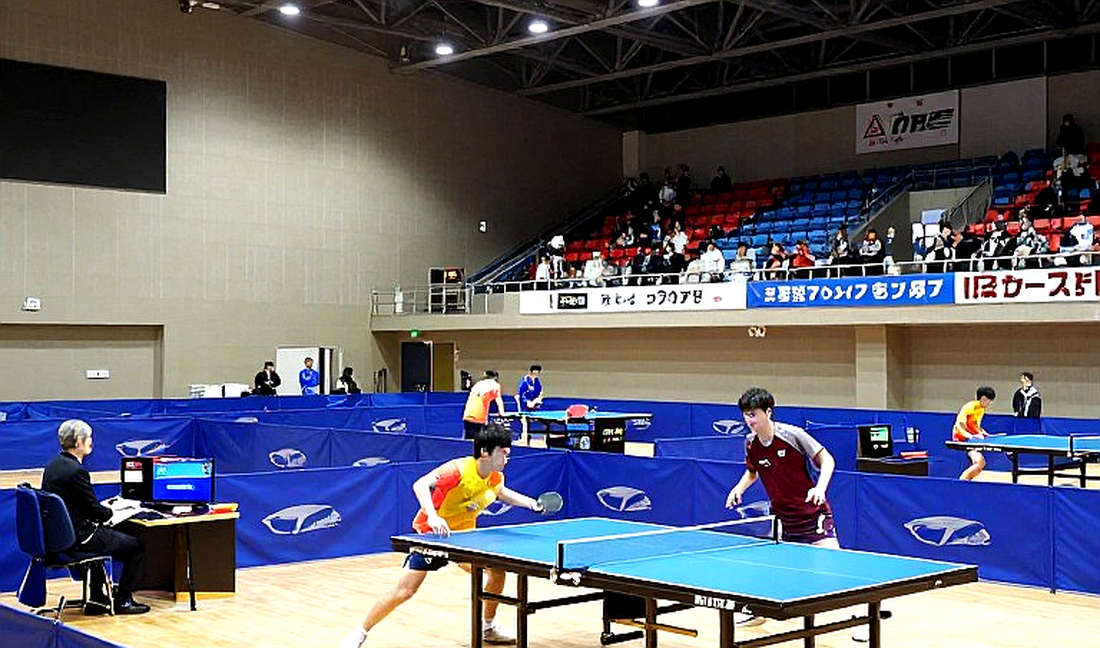
- 118 events: one week, not one match. Imagine 118 small tournaments happening at the same time in the same convention center. That is what USATT calls the U.S. Open. Categories include open singles, age-group events, junior events, rating events, para competition, Parkinson's events, Family Generational Doubles, and two heritage categories: hardbat and sandpaper. A hall open from 8am to 9pm for six days is designed to hold participants, not just spectators. The organizers warn not to assume your matches fall on one day. Many players will need to stay in Las Vegas for several nights, managing sleep, food, warm-ups and travel. At an elite tournament, players have staff; at the U.S. Open, every player manages his or her own logistics.
- Membership is the true entry door. Before talking about winning, players must pass an eligibility check. Only current USATT Gold or Lifetime members may compete. Membership must remain valid through December 21, 2026. Without a valid membership, a player cannot receive a Player Credential. Spectators without credentials can buy a Day Pass or Full Tournament Pass. Finals seating on December 20 is first-come, first-served. This administrative rule is a real filter for newcomers. The membership requirement also shows how USATT uses its biggest event to convert higher-tier members. Registration deadline is December 1, 2026, but popular events may fill earlier. Those who do not read carefully may end up as spectators instead of participants.
- Hardbat and sandpaper: heritage and fun. Hardbat is the style of the 1950s, with pips-out rubber and no sponge. The ball has little spin and travels flat and fast. Sandpaper is a novelty format that uses a sandpaper-covered racket, making it easy for children and beginners to enjoy. The presence of these categories alongside open singles reveals a philosophy: a national championship is not just for an elite group but for everyone who loves table tennis. These are not signals of a technical revolution; they are ways to keep the heritage alive and to open the door to new players.
- Las Vegas is a destination, not just a venue. Mandalay Bay sits on the Las Vegas Strip, one of the most famous tourism and entertainment districts in the United States. The USATT announcement encourages early hotel bookings and exploring the area, turning the tournament into a vacation. This is a deliberate model of sport plus tourism. Hotels, restaurants, shops and shows become part of the event. The U.S. Open is not a WTT ranking event; it uses USATT rating. Without world-ranking pressure, players are free to enjoy the week. The timing also sits about two years before the LA 2028 Olympics. The release never mentions the Olympics, but a national federation building a grassroots base in the home-Olympics cycle makes strategic sense.
- Early planning is strategy. Registration closes on December 1, 2026, yet some events may fill before that. The competition spans six days, from December 16 to 21, and the hall is open from 8am to 9pm. Players may face early-morning or late-evening matches. Managing sleep, meals, warm-ups and travel becomes part of the result. I have seen talented players lose in early rounds simply because they arrived late and failed to warm up properly. The U.S. Open, with 118 events, will magnify this issue many times over.
Contrarian angle: no star, but plenty of private universes. A national championship without named players sounds weak in a star-driven sports world. But USATT knows it cannot sell a global star; it sells belonging. Looking at 118 events, I see countless small stories: a 50-year-old father returning after twenty years, a mother and daughter playing Family Generational Doubles, a para athlete proving sport has no limits, a person with Parkinson's finding joy in every rally. Each player is a private universe; I only borrow their lens to watch the match.
Takeaway: The U.S. Open 2026 does not need a star to lead the story. It has thousands of small stars, each arriving in Las Vegas with a racket, a membership card, and a personal story. In late December 2026, the Las Vegas Strip will glow not only because of casinos, but because of tables filled with different generations and playing styles. Table tennis becomes a common language for people who believe in continuing to play, continuing to meet, and continuing to grow. What matters is not who wins or loses, but whether a child leaving Mandalay Bay will ask: Can we come back next year? The answer, most likely, will be yes.